“Diversification, Soil Health and Farmer Income Must Drive Punjab Agriculture; Punjab Should Drive India’s Agriculture”: Shivraj Singh Chouhan
Mohali/Samrala
November 17, 2026
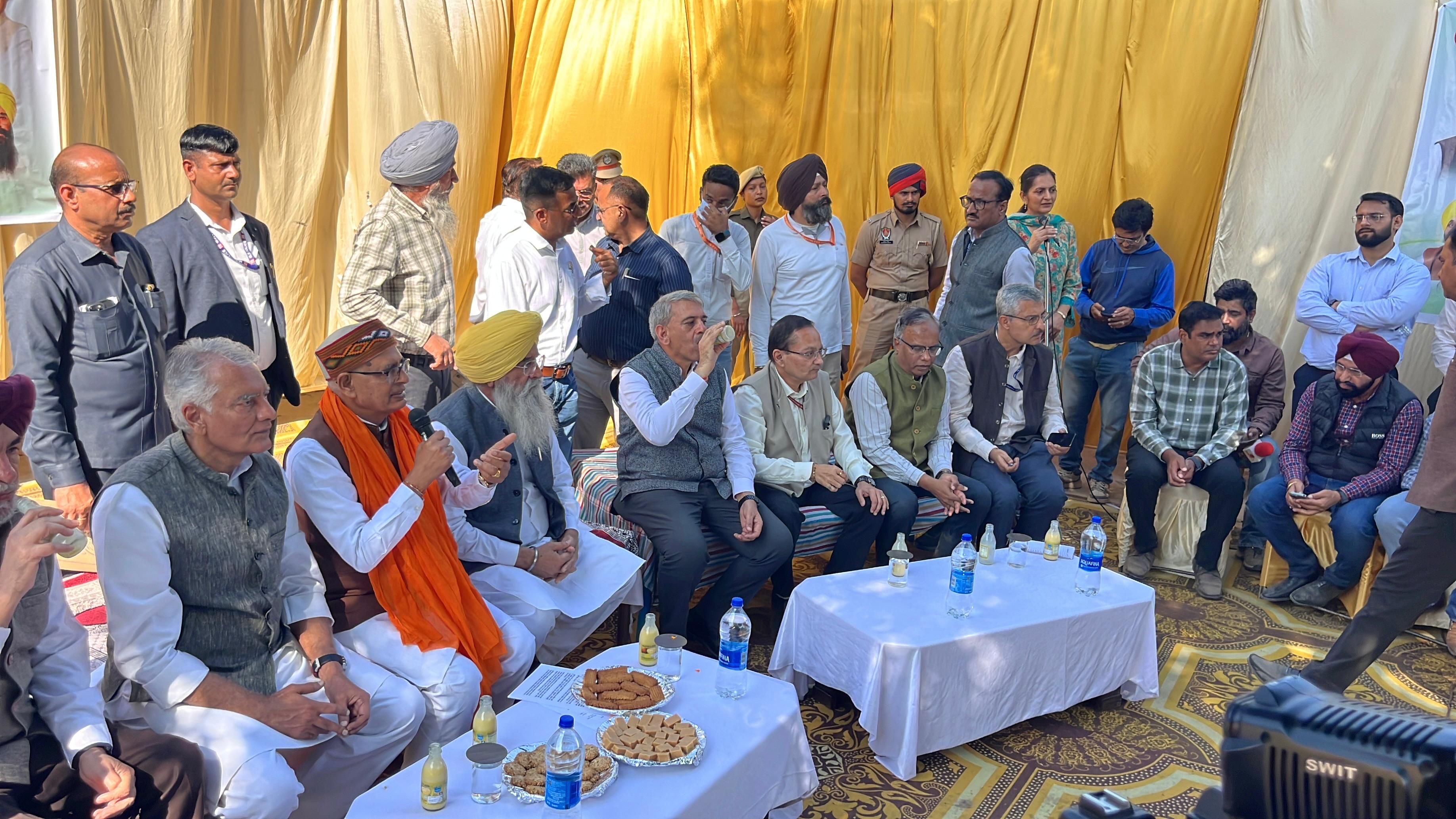
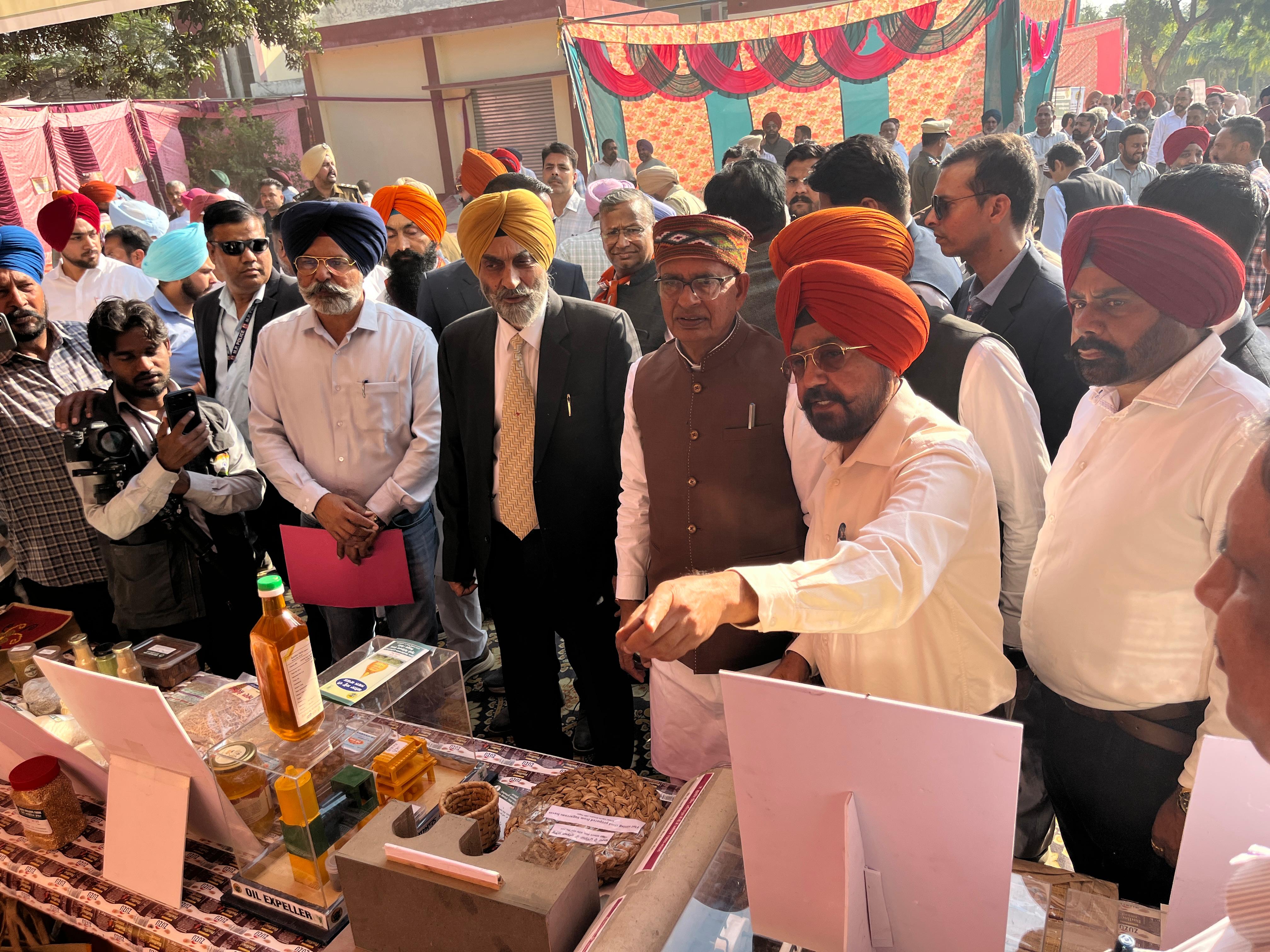
Union Minister of Agriculture and Farmers’ Welfare, Shri Shivraj Singh Chouhan, visited Punjab and participated in farmer interaction programmes at Mohali under the nationwide Khet Bachao Abhiyan, followed by an interaction at KVK, Samrala, Ludhiana. The visit focused on crop diversification, soil health, crop residue management and enhancement of farmers’ income.
Highlighting Punjab’s contribution to India's food security, Shri Chouhan called upon the State to lead agricultural transformation. He emphasised that diversification, soil health and farmers’ income must drive Punjab agriculture, adding that its innovations could guide the country. He urged farmers to manage crop residue scientifically rather than burn it.
A major announcement was the approval of ₹352.64 crore for Punjab agriculture, comprising ₹254.20 crore under PM-RKVY and ₹98.44 crore for seven additional projects proposed by the State Government. The Minister handed over the approval letters to Punjab Agriculture Minister Shri Gurmeet Singh Khuddian.
Shri Chouhan urged farmers to undertake soil testing and use fertilisers and pesticides judiciously. Cautioning against excessive urea, DAP and chemical use, he highlighted their adverse effects on soil health and beneficial organisms. He also called for strict action against fertiliser black marketing and forced product bundling, and highlighted stronger legal provisions against spurious agricultural inputs. Farmer IDs would help align fertiliser distribution with crop requirements.
The Minister highlighted green ammonia as a potential alternative nitrogen source. The national demonstration initiative targets 10,000 hectares during Rabi, including 1,800 demonstrations in Punjab, to assess its potential for improving nutrient-use efficiency.
At Mohali, Shri Chouhan interacted with progressive farmers, dairy entrepreneurs and women self-help groups. Farmer Shri Bhupinder Singh shared his experience of managing crop residue without burning since 2016, reporting reduced fertiliser use without yield loss. Other farmers showcased dairy, integrated farming, vermicomposting, beekeeping and direct marketing. A dairy farmer shared his experience of managing around 300 animals, while Smt. Ratan Kaur reported vermicompost production of approximately 45 tonnes monthly. Shri Jagdish Singh presented an integrated model combining crops, Sahiwal cattle and beekeeping.
The Minister encouraged diversification through horticulture, dairy and allied activities, particularly for small and marginal farmers. He also proposed a meeting with the National Bee Board and honey producers to address their concerns.
Farmers highlighted challenges relating to machinery costs, delayed subsidies, fertiliser quality and availability, pesticides, stray cattle and sugar mill infrastructure. Shri Chouhan assured them that their concerns would be seriously considered and sought ICAR and PAU's support in exploring ways to reduce machinery costs. He also emphasised improved agricultural marketing, referring to the Market Intervention Scheme and transportation support for farmers’ produce.
At ICAR-KVK Samrala, progressive farmers shared their experiences of adopting Happy Seeder and Super Seeder technologies without yield penalties. An FPO comprising 620 farmers, with an annual turnover exceeding ₹7 crore, showcased its machinery services and collective residue management initiatives. Women entrepreneurs presented value-added products from fruits, vegetables and agricultural residues.
Dr. D. K. Yadav, DDG (Crop Sciences), ICAR, highlighted the progress of the Khet Bachao Abhiyan, being implemented from October 22 to November 30, 2026, for Rabi. The campaign promotes balanced fertiliser use, crop residue management, water conservation, soil testing, natural farming and biological inputs.
Appreciating ICAR, PAU and KVKs for translating research into field-level solutions, the Minister urged scientists to develop affordable, location-specific technologies and maintain close engagement with farmers.
Other dignitaries present included Shri Sunil Jakhar, senior political leader; Dr. P. K. Singh, Agricultural Commissioner; Dr. H. S. Dhaliwal, Vice-Chancellor, PAU; Dr. J. P. S. Gill, Vice-Chancellor, GADVASU; Dr. R. R. Burman, ADG (Extension), ICAR; Dr. Nachiket Kotwaliwale, Director, ICAR-CIPHET; Dr. Parvender Sheoran, Director, ICAR-ATARI; Dr. M. S. Bhullar, DEE, PAU; and Dr. G. S. Grewal, DEE, GADVASU, along with senior Central and State Government officials, agricultural scientists, KVK officials, progressive farmers, FPO representatives and women self-help groups.
The visit reinforced farmer-scientist-policy convergence for sustainable agriculture. Shri Chouhan reiterated that Punjab’s experience in food production, conservation agriculture and farmer-led innovation could guide the country towards a more sustainable and remunerative agricultural future.